
Ātrā atbilde
Parasti maģiskais sūklis jāizmanto ar ūdeni un vieglu spiedienu. Samitriniet sūkli, izspiediet lieko ūdeni un viegli berzējiet notraipīto vietu, nevis berziet agresīvi. No melamīna putām izgatavotie maģiskie sūkļi parasti ir piemēroti izturīgām virsmām, piemēram, keramikas flīzēm, izlietnēm, keramikas sanitārtehnikas izstrādājumiem, dažām nerūsējošā tērauda virsmām, apavu zolēm un noteiktām krāsotām sienām. Tomēr tos parasti nevajadzētu lietot uz spīdīgas krāsas, automašīnu krāsas, ādas, skārienekrāniem, pulēta dabīgā akmens un citām delikātām vai viegli saskrāpējamām virsmām. Tīrot nepazīstamu virsmu, vienmēr vispirms pārbaudiet sūkli nelielā, neuzkrītošā vietā.
Kas ir burvju sūklis?
Burvju sūklis, ko parasti sauc arī par burvju dzēšgumijas sūkli vai melamīna tīrīšanas sūkli, ir izgatavots no atvērtšūnu melamīna putām.
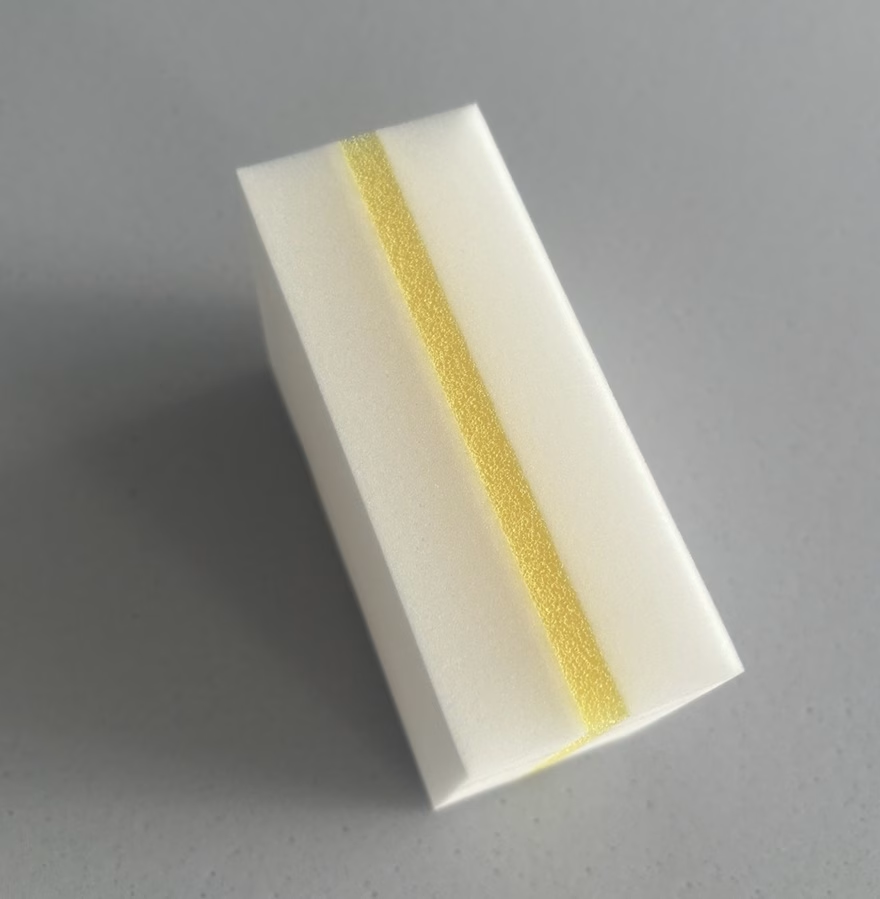
Atšķirībā no parastā virtuves sūkļa, kas galvenokārt absorbē ūdeni vai pārnes mazgāšanas līdzekli pa virsmu, melamīna putām ir ļoti smalka trīsdimensiju poraina struktūra.
Viegli berzējot pret virsmu, šī struktūra nodrošina maigu mehānisku tīrīšanas darbību, kas var palīdzēt noņemt:
- Skrambas
- Apavu pēdas
- Pirkstu nospiedumi
- Krītiņu zīmes
- Ziepju atlikumi
- Virsmas netīrumi
- Daži noturīgi mājsaimniecības traipi
Daudzos gadījumos ir nepieciešams tikai ūdens.
Tomēr tas pats mikroabrazīvais tīrīšanas mehānisms, kas padara burvju sūkli efektīvu, nozīmē arī to, ka tas jālieto uzmanīgi.
Tāpēc zināt , kā droši lietot burvju sūkli, ir tikpat svarīgi kā zināt, ko ar to var tīrīt.

Kā droši lietot burvju sūkli
Pareiza burvju sūkļa lietošana ir vienkārša, taču dažas nelielas detaļas var ievērojami samazināt virsmas bojāšanas risku.
1. darbība: vispirms pārbaudiet virsmu
Pirms tīrīšanas nosakiet, vai virsma ir cieta, izturīga, pārklāta, pulēta, krāsota vai jutīga pret nodilumu.
Ja neesat pārliecināts, pārbaudiet sūkli nelielā, slēptā vietā.
Tas ir īpaši svarīgi:
- Krāsotas virsmas
- Pārklāts metāls
- Pulētas virsmas
- Dekoratīvā apdare
- Vecākas mēbeles
- Nezināmi virsmas pārklājumi
2. darbība: Samitriniet burvju sūkli
Samitriniet melamīna sūkli ar tīru ūdeni.
Ūdens palīdz mīkstināt putas un ļauj tām labāk pielāgoties virsmai.
3. darbība: izspiediet lieko ūdeni
Viegli saspiediet sūkli, līdz tas paliek mitrs, bet vairs nepil.
Izvairieties no sūkļa agresīvas griešanas, jo tas var sabojāt iekšējo putu struktūru.
4. darbība: izmantojiet vieglu spiedienu
Viegli berzējiet iekrāsoto vietu.
Sāciet ar minimālu spiedienu un palieliniet to tikai nepieciešamības gadījumā.
Burvju sūklim parasti nav nepieciešama agresīva beršana.
Pārāk liels spiediens var:
- Ātrāk valkājiet sūkli
- Palieliniet putu plīšanu
- Noņemt virsmas pārklājumus
- Samazināt spīdumu
- Atstāj redzamas nobrāzumu pēdas
Lielākajai daļai traipu labāk ir ar vairākām saudzīgām kustībām nekā ar vienu agresīvu beršanu.
5. darbība: Noslaukiet virsmu tīru
Pēc tīrīšanas izmantojiet mitru mikrošķiedras drānu vai tīru drānu, lai noņemtu atdalījušās atliekas.
Ja nepieciešams, pēc tam virsmu nosusiniet.
Kuras virsmas var tīrīt ar burvju sūkli?
Burvju sūkļi vislabāk darbojas uz relatīvi cietām un izturīgām virsmām.
Tomēr virsmas pārklājumi dažādiem ražotājiem ievērojami atšķiras, tāpēc joprojām ieteicams veikt lokālu testēšanu.
- Keramiskās flīzes
Keramikas flīzes ir viens no visizplatītākajiem melamīna tīrīšanas sūkļu pielietojumiem.
Tie var palīdzēt noņemt:
- Netīrumi
- Ziepju pēdas
- Apavu pēdas
- Pirkstu nospiedumi
- Virsmas netīrumi
Burvju sūkļi ir īpaši noderīgi virtuvēs, vannas istabās un ieejas zonās.
Ļoti pulētām vai speciāli pārklātām flīzēm vispirms veiciet pārbaudi.
- Keramikas izlietnes un santehnika
Melamīna putas var būt noderīgas tīrīšanai:
- Keramikas izlietnes
- Izlietnes
- Tualetes
- Keramikas vannas istabas armatūra
Tas var palīdzēt noņemt ūdens traipus, ziepju atlikumus un virsmas netīrumus, neizmantojot lielu daudzumu tīrīšanas ķimikāliju.
- Apavu zoles un gumijas starpzoles
Viens no aizvien populārākajiem burvju sūklīšu pielietojumiem ir sporta apavu tīrīšana.
Tie ir īpaši efektīvi šādos gadījumos:
- Baltas gumijas zoles
- EVA starpzoles
- Gumijas purngalu zonas
- Sānu sienas
Viegli samitriniet sūkli un ar maigām kustībām notīriet netīro vietu.
svarīgs
Neizmantojiet sūkli automātiski uz visa apava.
Āda, pārklāta āda, krāsoti rotājumi, apdrukāti logotipi, zamšāda un smalki audumi var reaģēt atšķirīgi.
Apavu tīrīšanai maģiskie sūklīši parasti ir vispiemērotākie gumijas un izturīgu sintētisko zolu zonām.
- Nelieli plankumi uz krāsotām sienām
Burvju sūkļus bieži izmanto, lai noņemtu:
- Pirkstu nospiedumi
- Apavu skrāpējumi
- Zīmuļu zīmes
- Gaiši krītiņu punktiņi
- Vispārīgi sienu netīrumi
Tomēr krāsotām sienām nepieciešama papildu piesardzība.
Matēta vai matēta sienu krāsa dažreiz var būt jutīgāka nekā paredzēts, savukārt atkārtota berzēšana var radīt redzamu spīdīgu plankumu vai noņemt pigmentu.
Vienmēr vispirms pārbaudiet slēptu daļu un izmantojiet ļoti vieglu spiedienu.
- Nerūsējošais tērauds — ar piesardzību
Vietējiem traipiem uz nerūsējošā tērauda virsmām dažreiz var izmantot burvju sūkli.
Piemēroti piemēri var ietvert noteiktus:
- Virtuves izlietnes
- Komunālie pakalpojumi
- Nerūsējošā tērauda darba virsmas
- Ierīces bez smalkiem dekoratīviem pārklājumiem
Tomēr matēts, pulēts, pārklāts vai spoguļapdarināts nerūsējošais tērauds var būt jutīgs pret nodilumu.
Ja nerūsējošajam tēraudam ir redzams šķiedru virziens, uzmanīgi tīriet to gar šķiedru, nevis šķērsām.
Vienmēr vispirms veiciet pārbaudi nelielā laukumā.
Virsmas, kuru tīrīšanai nevajadzētu izmantot burvju sūkli
Tā kā melamīna putas daļēji darbojas, izmantojot vieglu fizisku berzi, tās nevajadzētu uzskatīt par piemērotām visiem materiāliem.
Dažas virsmas var zaudēt spīdumu, saskrāpēties vai tikt neatgriezeniski bojāts pārklājums.
Šādas virsmas parasti prasa īpašu piesardzību vai no tām vajadzētu izvairīties.
- Augsti spīdīgas krāsotas virsmas
Izvairieties no maģisko sūkļu agresīvas lietošanas uz augstas spīduma krāsas.
Mikroabrazīvā darbība var pakāpeniski samazināt spīdumu vai radīt blāvu laukumu.
Piemēri ietver:
- Glancētas mēbeles
- Lakotas skapīši
- Klavieru apdare
- Augstas spīduma dekoratīvie paneļi
- Pārklātas mājsaimniecības virsmas
Šiem pielietojumiem parasti drošāk ir mīksta mikrošķiedras lupatiņa un īpaši pārklājumam paredzēts tīrīšanas līdzeklis.
- Automobiļu krāsas
Automobiļu virsbūves krāsai parasti nevajadzētu lietot burvju sūkli.
Mūsdienu transportlīdzekļu virsmām bieži ir vairāki slāņi, tostarp:
- Bāzes krāsa
- Caurspīdīgs mētelis
- Aizsargpārklājumi
- Vasks vai hermētiķis
Melamīna putas var padarīt šos slāņus matētus vai nobrāzt.
Automašīnas virsbūves tīrīšanai izmantojiet īpašus automašīnu mazgāšanas un detalizācijas līdzekļus.
- Āda
Izvairieties no burvju sūkļu lietošanas uz ādas, ja vien ādas ražotājs nav īpaši apstiprinājis šo metodi.
Āda var saturēt:
- Pigmenti
- Aizsargpārklājumi
- Eļļas
- Virsmas apdare
Abrazīvā tīrīšana var noņemt šos slāņus un atstāt pastāvīgi gaišāku vai raupjāku laukumu.
Tas attiecas uz tādiem priekšmetiem kā:
- Ādas kurpes
- Ādas dīvāni
- Somas
- Automobiļu ādas sēdekļi
- Ādas aksesuāri
- Skārienekrāni un elektroniskie displeji
Nelietojiet burvju sūkli uz:
- Viedtālruņu ekrāni
- Planšetdatoru ekrāni
- Klēpjdatoru displeji
- Skārienekrāna vadības paneļi
- Televīzijas ekrāni
- Kameras displeji
Šīm virsmām var būt smalki pretatspīduma, oleofobi vai aizsargpārklājumi, kurus var sabojāt nobrāzumi.
Tā vietā izmantojiet piemērotu mikrošķiedras drānu un elektronikai drošu tīrīšanas metodi.
- Dabīgais akmens
Izvairieties no maģisko sūkļu lietošanas uz smalka vai pulēta dabīgā akmens, ja vien tie nav īpaši pārbaudīti.
Piemēri ietver:
- Marmors
- Kaļķakmens
- Travertīns
- Pulēts granīts
- Inženierakmens ar īpašiem pārklājumiem
Pulētas virsmas var zaudēt spīdumu, ja tās tiek atkārtoti tīrītas ar abrazīvu līdzekli.
Dabīgajam akmenim var būt arī hermētiķi, kurus nevajadzētu bojāt.
Izmantojiet materiālam ieteiktu akmenim drošu tīrīšanas līdzekli.
- Viegli saskrāpējamas vai delikātas virsmas
Parasti izvairieties no maģisko sūkļu lietošanas uz jebkuras virsmas, kur smalka nobrāzuma dēļ varētu rasties redzami bojājumi.
Piemēri var būt šādi:
- Akrils
- Organiskā stikla
- Pulēta plastmasa
- Glancēta plastmasa
- Dekoratīvie pārklājumi
- Nelīpoši pārklājumi
- Antīka apdare
- Mīkstas metāla virsmas
- Augstas spīduma lamināti
Šaubu gadījumā izvēlieties mazāk abrazīvu tīrīšanas metodi.
Drošas un nedrošas virsmas īsumā
| virsma | Ieteikums | Piezīmes |
| Keramikas flīze | Vispār piemērots | Pārbaudiet pulētas apdares |
| Keramikas izlietne | Vispār piemērots | Izmantojiet vieglu spiedienu |
| Apavu gumijas zole | Vispār piemērots | Izvairieties no smalkām apavu virsmām |
| Krāsota siena | Lietojiet piesardzīgi | Vispirms pārbaudiet, īpaši matētu krāsu |
| Nerūsējošā tērauda | Lietojiet piesardzīgi | Sekojiet līdzi graudiem un pārbaudiet pārklājumu |
| Augstas spīduma krāsa | Izvairīties | Var samazināt spīdumu |
| Automobiļu krāsa | Izvairīties | Var ietekmēt caurspīdīgo pārklājumu |
| Āda | Izvairīties | Var noņemt apdari vai pigmentu |
| Skārienekrāns | Izvairīties | Var sabojāt virsmas pārklājumus |
| Dabīgais akmens | Parasti izvairieties | Var ietekmēt pulēšanas līdzekli vai hermētiķi |
| Akrils / Plexiglass | Izvairīties | Viegli saskrāpējams |
| Neadhezīvs pārklājums | Izvairīties | Var sabojāt funkcionālo pārklājumu |
Kāpēc burvju sūklis var sabojāt noteiktas virsmas?
Atbilde slēpjas melamīna putu struktūrā.
Palielinājumā sacietējušas melamīna putas satur ārkārtīgi smalku savstarpēji savienotu tīklu.
Berzējot pret virsmu, šī struktūra rada vieglu abrazīvu efektu.
Tas palīdz izskaidrot, kāpēc burvju sūklis var noņemt traipus, kurus varētu būt grūti noņemt, izmantojot parastu mīkstu sūkli.
Taču tīrīšanas veiktspējai vienmēr ir nepieciešams līdzsvars starp:
Tīrīšanas spēks
un
virsmas pretestība
Izturīga keramikas flīze var ļoti labi izturēt šādu saskari.
Savukārt spīdīgs pārklājums var uzrādīt mikroskopisku nobrāzumu kā redzamu blāvumu.
Šī iemesla dēļ:
Spēcīgāka beršana ne vienmēr nozīmē labāku tīrīšanu.
Pareizs spiediens un pareiza virsmas izvēle ir būtiska.
Vai jums ir nepieciešamas tīrīšanas ķimikālijas ar burvju sūkli?
Daudzās ikdienas tīrīšanas reizēs pietiek ar ūdeni vien.
Tas ir viens no iemesliem, kāpēc melamīna putu tīrīšanas līdzekļi ir populāri lietojumos, kur lietotāji vēlas samazināt nevajadzīgu mazgāšanas līdzekļa patēriņu.
Tomēr spēcīgākas taukskābes vai specializēta piesārņojuma gadījumā joprojām var būt nepieciešams saderīgs tīrīšanas līdzeklis.
Pirms burvju sūkļa lietošanas kopā ar ķīmiskajiem tīrīšanas līdzekļiem, pārbaudiet abus punktus:
- Vai tīrīšanas līdzeklis ir saderīgs ar virsmu.
- Vai tīrīšanas līdzeklis ir saderīgs ar sūkli.
Neuzskatiet, ka spēcīgākas ķīmiskās vielas automātiski uzlabos tīrīšanas rezultātus.
Vai, lietojot burvju sūkli, vajadzētu valkāt cimdus?
Parastai mājsaimniecības tīrīšanai ar ūdeni daudzi lietotāji tieši apstrādā melamīna sūkļus.
Tomēr cimdi joprojām var būt noderīgi, ja:
- Tīrīšana ilgstošai lietošanai
- Darbs ar mazgāšanas līdzekļiem
- Taukainu vai piesārņotu vietu tīrīšana
- Jums ir jutīga āda
Izvairieties no ilgstošas, agresīvas berzes tieši pret ādu, jo melamīna sūklis ir paredzēts virsmu noberšanai, nevis personīgās higiēnas sūkļa funkcijai.
Vai burvju sūkli var lietot sausā veidā?
Lielākajai daļai tīrīšanas darbu sūkli pirms lietošanas ieteicams samitrināt.
Mitrs sūklis:
- Labāk pielāgojas virsmai
- Nodrošina vienmērīgāku tīrīšanas kontaktu
- Var samazināt nevajadzīgu putu nodilumu
- Atvieglo atdalījušos netīrumu noņemšanu
Ķīmiskā tīrīšana var palielināt berzi un putuplasta nodilumu.
Izpildiet norādījumus, kas pievienoti konkrētajam produktam.
Kā ilgāk kalpot burvju sūklim
Melamīna putas ir patērējams tīrīšanas materiāls.
Neliels nodilums tīrīšanas laikā ir normāls, jo putas pakāpeniski irdošas, iedarbojoties uz piesārņotām virsmām.
Tomēr pareiza tehnika var uzlabot izturību.
Lai pagarinātu sūkļa kalpošanas laiku:
- Pirms lietošanas samitriniet sūkli
- Negrieziet to agresīvi
- Izmantojiet vieglu spiedienu
- Tīriet ar vairākām maigām kustībām
- Izmantojiet tikai nepieciešamo sūkļa laukumu
- Izvairieties no asām malām
- Noskalojiet iesprūdušos netīrumus, kad nepieciešams
Komerciāliem tīrīšanas līdzekļiem tīrīšanas sajūtu un izturību var ietekmēt arī sūkļa blīvums, saspiešanas līmenis, izmēri un putu sastāvs.
Standarta un saspiestā melamīna putu atšķirība
Ne visiem burvju sūkļiem ir tieši tādas pašas fizikālās īpašības.
Melamīna putu izstrādājumus var veidot ar dažādiem:
- Blīvuma līmeņi
- Kompresijas pakāpes
- Biezumi
- Šūnu struktūras
- formas
- Laminēti slāņi
Standarta melamīna putas ir ārkārtīgi vieglas un nodrošina efektīvu tīrīšanas darbību.
Saspiestas vai augstāka blīvuma melamīna putas var radīt atšķirīgu sajūtu rokā un uzlabot izturību noteiktos tīrīšanas gadījumos.
Tas padara produktu inženieriju īpaši svarīgu tādām lietojumprogrammām kā:
- Kedu tīrīšana
- Profesionāla tīrīšana
- Automobiļu salona tīrīšana
- Mājsaimniecības tīrīšanas līdzekļu zīmoli
- Privāto zīmolu tīrīšanas līdzekļi
- Atkārtoti lietojamas tīrīšanas spilventiņu sistēmas
Uzņēmumā SINOYQX melamīna putas var pārstrādāt dažādos izmēros, blīvumos, saspiestās struktūrās un pārveidot tīrīšanas līdzekļos atbilstoši paredzētajam pielietojumam.
Drošības kontrolsaraksts pirms burvju sūkļa lietošanas
Pirms nepazīstamas virsmas tīrīšanas ievērojiet šos četrus noteikumus:
- Vispirms pārbaudiet
Izmēģiniet sūkli uz neuzkrītošas vietas.
- Sāciet uzmanīgi
Vispirms izmantojiet minimālu spiedienu.
- Pārbaudiet Finish
Nekavējoties apstājieties, ja pamanāt:
- Spīduma zudums
- Krāsu pārnešana
- Virsmas skrāpēšana
- Pārklājuma noņemšana
- Tekstūras izmaiņas
- Izpildiet virsmas ražotāja norādījumus
Ja virsma ir dārga, smalka, pārklāta vai profesionāli apstrādāta, prioritāte jāpiešķir ražotāja tīrīšanas ieteikumam.
Biežāk uzdotie jautājumi
Vai burvju sūklis ir drošs visām virsmām?
Nē.
Burvju sūkļiem ir viegla abrazīva tīrīšanas iedarbība, un tie nav piemēroti visiem materiāliem.
Parasti no tiem vajadzētu izvairīties uz smalkām, spīdīgām, pulētām, pārklātām vai viegli saskrāpējamām virsmām.
Vienmēr vispirms pārbaudiet nepazīstamu virsmu.
Vai var izmantot burvju sūkli uz krāsotām sienām?
Jā, bet uzmanīgi.
Burvju sūkļi var noņemt mazus traipus no daudzām krāsotām sienām, taču pārmērīga berzēšana var ietekmēt krāsas apdari.
Matētas un matētas krāsas var būt īpaši jutīgas.
Pirms redzamas daļas tīrīšanas pārbaudiet līdzekli neuzkrītošā vietā.
Vai var izmantot burvju sūkli uz nerūsējošā tērauda?
Tas var būt piemērots dažām nerūsējošā tērauda virsmām, taču jāievēro piesardzība.
Uz birstēta, pulēta, spoguļapdares vai pārklāta nerūsējošā tērauda var būt redzamas nobrāzumi.
Vienmēr vispirms pārbaudiet un, ja nepieciešams, noslaukiet auduma šķiedras virzienā.
Vai burvju sūklis var tīrīt apavus?
Jā, jo īpaši sporta apavu un sporta apavu gumijas zoles un starpzoles.
Izvairieties to automātiski uzklāt uz ādas, zamšādas, apdrukātiem attēliem vai smalkiem pārklātiem apavu materiāliem.
Vai es varu izmantot burvju sūkli savai automašīnai?
Maģisko sūkli parasti nevajadzētu lietot automašīnu virsbūves krāsai, jo tā abrazīvā darbība var ietekmēt caurspīdīgo pārklājumu vai spīdumu.
Tā vietā izmantojiet īpašus automašīnu tīrīšanas līdzekļus.
Vai var izmantot burvju sūkli uz stikla?
Tas ir atkarīgs no stikla veida un visiem uz tā uzklātajiem pārklājumiem.
Parasts stikls var izturēt maigu tīrīšanu, bet pārklāts, tonēts, apstrādāts vai speciāls stikls var būt jutīgāks.
Vispirms pārbaudiet un ievērojiet stikla ražotāja ieteikumus.
Vai var izmantot burvju sūkli uz marmora?
Parasti labāk ir izvairīties no burvju sūkļa lietošanas uz pulēta marmora.
Melamīna putas var ietekmēt pulēto apdari vai akmens hermētiķi.
Izmantojiet tīrīšanas līdzekli, kas īpaši paredzēts dabīgā akmens tīrīšanai.
Vai burvju sūkļi satur tīrīšanas ķimikālijas?
Standarta melamīna putu tīrīšanas iedarbība galvenokārt rodas no to smalkās porainās struktūras, nevis no putās esošā mazgāšanas līdzekļa.
Tomēr gatavie mazumtirdzniecības produkti var atšķirties, un daži var saturēt papildu sastāvdaļas.
Vienmēr pārbaudiet individuālo informāciju par produktu.
Kāpēc burvju sūklis kļūst mazāks, kad to lietoju?
Tas ir normāli.
Melamīna putas pakāpeniski nodilst, jo to smalkā struktūra mehāniski noņem piesārņojumu no virsmas.
Nodiluma ātrums ir atkarīgs no tādiem faktoriem kā:
- Virsmas raupjums
- Pielietotais spiediens
- Traipu veids
- Putu blīvums
- Sūkļa biezums
- Tīrīšanas tehnika
Pareizo melamīna putu izvēle tīrīšanas līdzekļiem
Tīrīšanas līdzekļu zīmoliem un oriģinālā aprīkojuma ražotājiem (OEM) nav vienas burvju sūkļa specifikācijas, kas būtu ideāli piemērota katram pielietojumam.
Mājsaimniecības sienu tīrīšanas sūklim var būt nepieciešamas atšķirīgas fizikālās īpašības nekā sporta apavu tīrīšanas sūklim vai komerciālam tīrīšanas paliktnim.
Galvenie vērtējamie faktori ir:
- Putu blīvums
- Kompresijas pakāpe
- Mitrā izturība
- Tīrīšana
- Sūkļa biezums
- Griešanas izmēri
- Virsmas laminēšana
- Iepakojuma formāts
- Paredzētā tīrīšanas virsma
SINOYQX nodrošina melamīna putu materiālus un pielāgotus sūkļu risinājumus dažādiem tīrīšanas lietojumiem.
Pieejamās apstrādes iespējas var ietvert:
- Standarta melamīna putas
- Saspiestas melamīna putas
- Pielāgots blīvums
- Pielāgots biezums
- Pielāgota griešana
- Īpašas formas
- Laminēti tīrīšanas sūkļi
- Privātās etiķetes/OEM produkti
- Pielāgots mazumtirdzniecības iepakojums
Final Domas
Lai iemācītos droši lietot burvju sūkli, ir jāsaprot viens svarīgs princips:
Izmantojiet pareizo tīrīšanas līdzekli uz pareizās virsmas ar atbilstošu spiedienu.
Burvju sūkļi var būt ļoti efektīvi uz izturīgām virsmām, piemēram, keramikas flīzēm, izlietnēm, apavu zolēm un noteiktām mājsaimniecības virsmām.
Tomēr, tā kā melamīna putas rada vieglu mehānisku nodilumu, no tām vajadzētu izvairīties vai rūpīgi pārbaudīt tās uz spīdīgas krāsas, ādas, automašīnu krāsas, skārienekrāniem, pulēta dabīgā akmens un citiem smalkiem apdares materiāliem.
Ja rodas šaubas:
Vispirms pārbaudiet neuzkrītošu vietu, izmantojiet ūdeni, sāciet ar vieglu spiedienu un pārtrauciet, ja mainās virsmas izskats.
Par SINOYQX
SINOYQX ir melamīna putu materiālu un pārveidotu melamīna putu produktu ražotājs un piegādātājs tīrīšanai, akustiskai, siltumizolācijai, filtrēšanai un citiem rūpnieciskiem lietojumiem.
Tīrīšanas līdzekļu ražotājiem un privāto zīmolu zīmoliem SINOYQX atbalsta pielāgotu melamīna sūkļu izstrādi, tostarp dažādu blīvumu, saspiešanas līmeņus, izmērus, formas, laminējumus un iepakojuma formātus.
Pieteikumi ietver:
Maģiskie tīrīšanas sūkļi, sporta apavu tīrīšanas sūkļi, mājsaimniecības tīrīšanas paliktņi, profesionāli tīrīšanas līdzekļi, pielāgoti melamīna putu izstrādājumi un oriģinālā aprīkojuma ražotāju/privāto zīmolu tīrīšanas līdzekļi.